Prince Cove Bay

Support clean water for tomorrow by donating today!

previous arrowprevious arrow
next arrownext arrow

The mission at Barnstable Clean Water Coalition (BCWC) is to restore and preserve clean water throughout Barnstable. Science is the foundation in which, Barnstable Clean Water Coalition utilizes to accomplish the four core components of our mission.

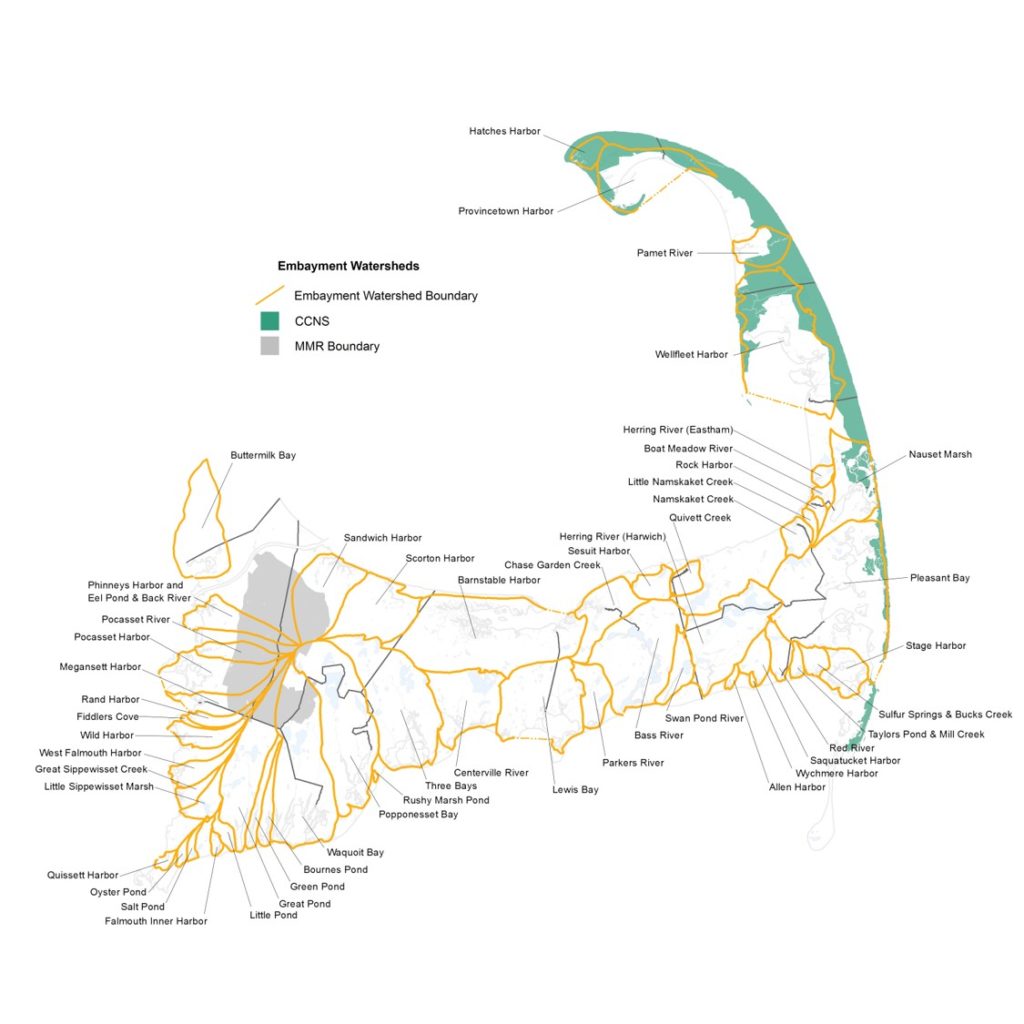
Cape cod Watersheds Map

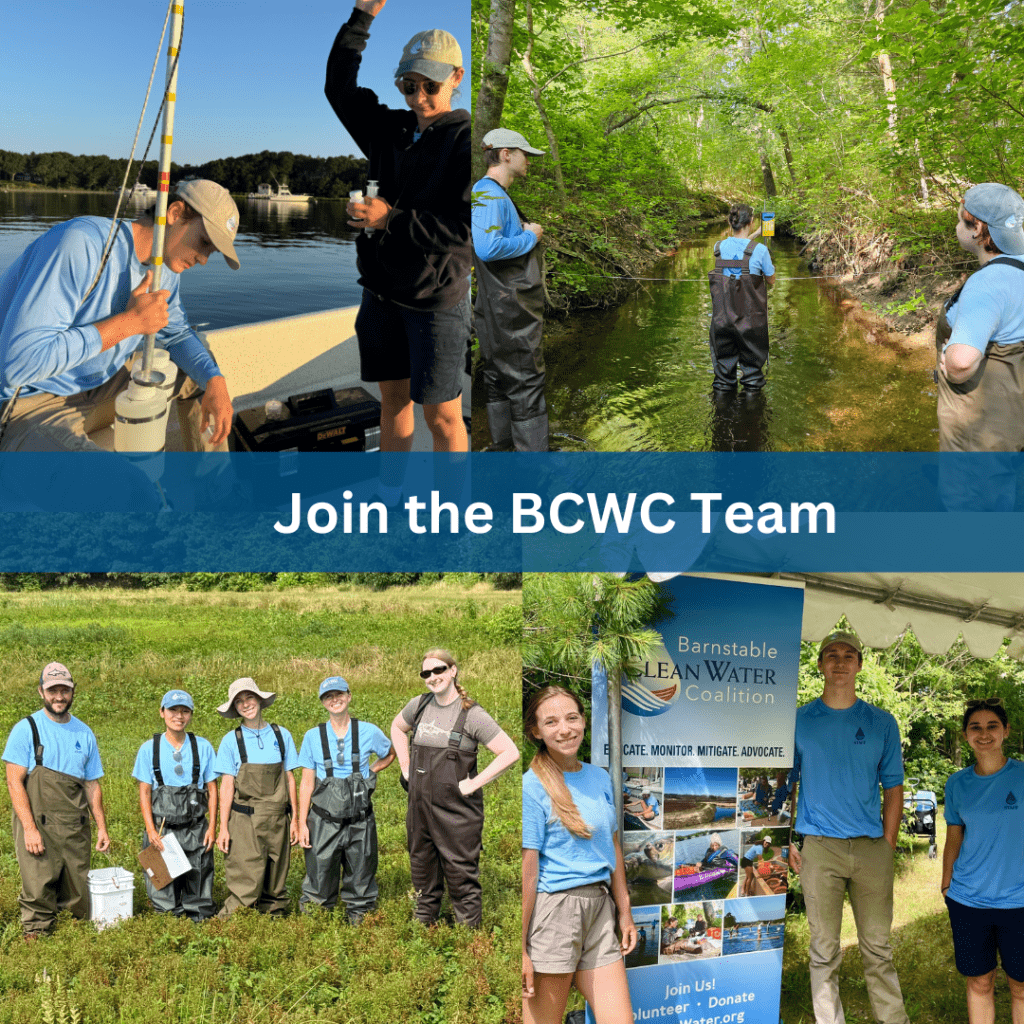
Join the BCWC Team!

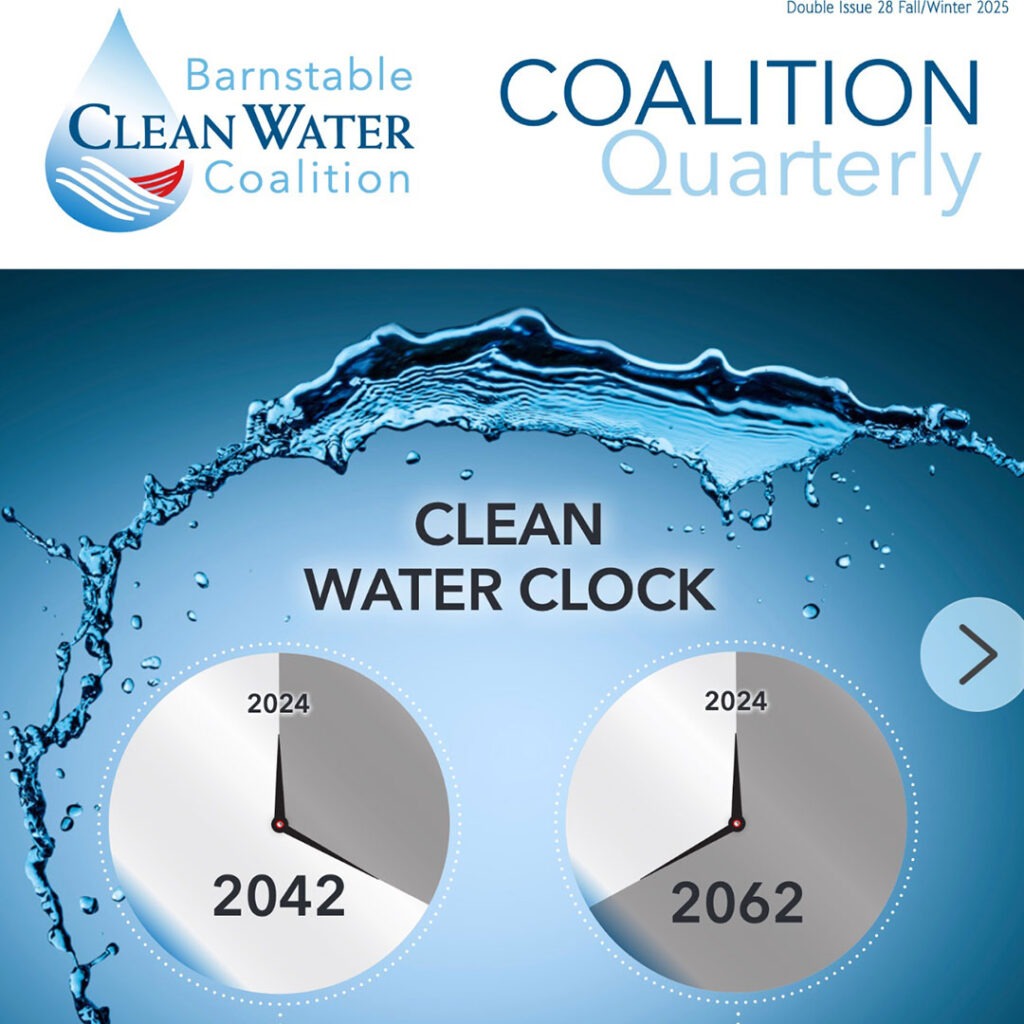
Latest Newsletter

BCWC Projects

Our science based and collaborative approach to advocate, educate, mitigate, and monitor are resulting in real impacts to protect, preserve, and enhance water quality for Barnstable.

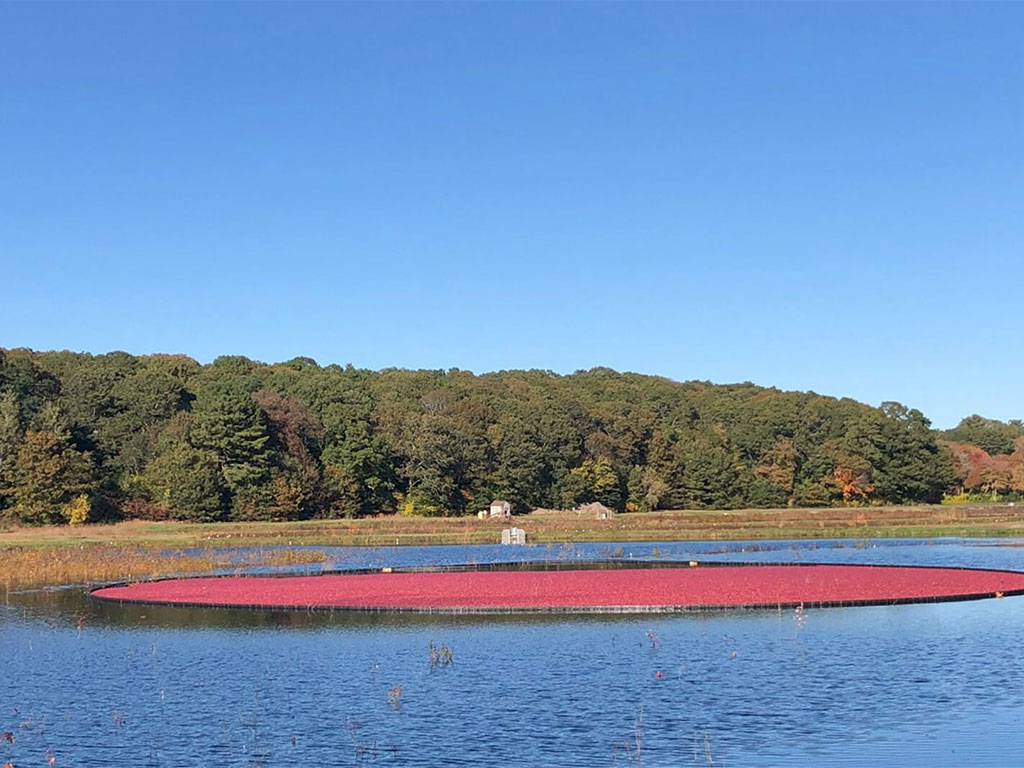
Cranberry Bog Monitoring

Cranberry bog monitoring

The headwaters of the Marstons Mills River contain approximately 150 acres of cranberry bogs. We have been collecting water quality data at the bogs that shows more than 8,000 kgs of nitrogen flows out from them into the Three Bays Watershed each year. The bogs contain wetlands and on old maps, the entire site was marked “ponds and wetlands”. This is a collection area for the groundwater from much of the surrounding residential developments. Interestingly, the farmers tell us that while they used to apply fertilizer, little is now needed since the crop do well without needing additional nitrogen fertilizer.

The Shubael Pond Project

The Shubael Pond Project

The majority of Cape Cod’s water quality problems caused by excess nutrient pollution can be traced back to septic systems. Although traditional Title 5 septic systems remove pathogens and other components from wastewater that can be harmful to human health, these systems were not designed to remove large amounts of nutrients, including nitrogen. Innovative/alternative (I/A) septic systems to reduce nitrogen in household wastewater have been developed and approved by the Massachusetts Department of Environmental Protection (MADEP).

Streamflow Monitoring

Cape Cod Stream

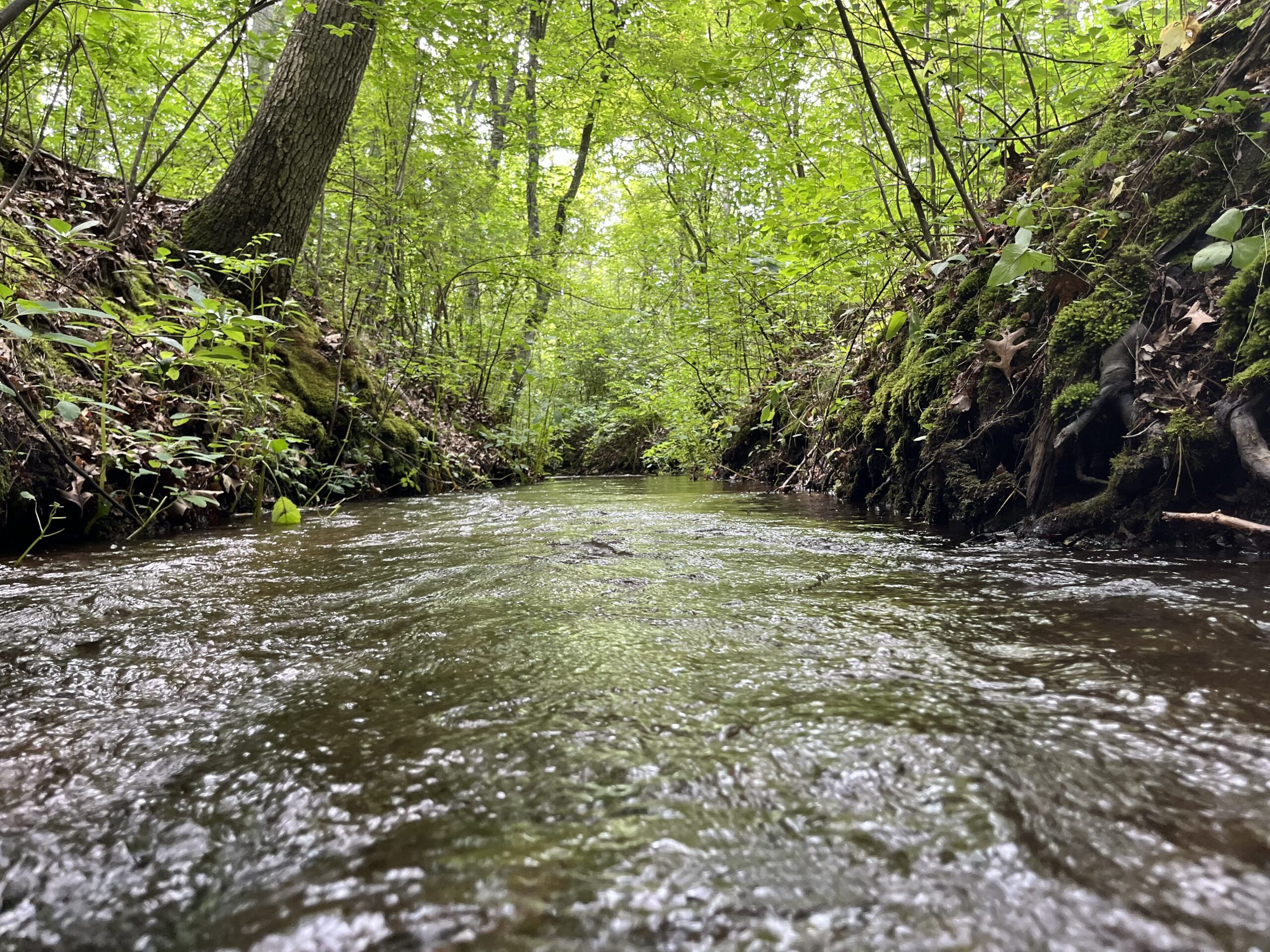
Flowing 4.5 miles through the heart of the Three Bays watershed, the Marstons Mills River begins in the bogs off Bog Road. It snakes by Middle Pond and under River Road, through Mill Pond, beneath the intersection of Routes 149 and 28, and ultimately empties into Warren’s Cove.

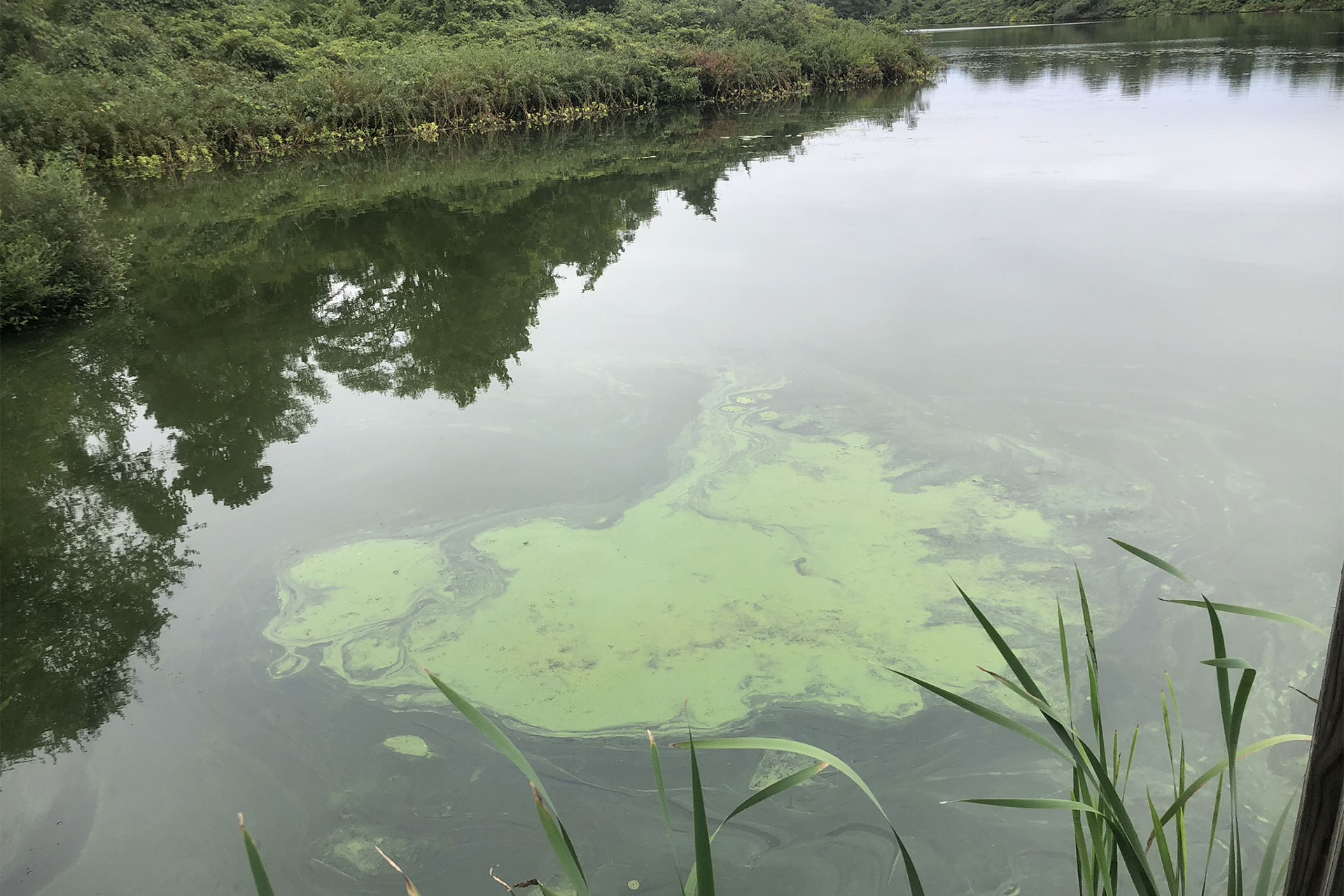
The Marstons Mills river is susceptible to runoff, especially during storms, from houses, farms and roadways. The river carries high amounts of nitrogen-rich water into the Three Bays estuary (Cotuit, North and West Bay) that adds to increasing eutrophication problems resulting in decreased oxygen levels, algal blooms, fish kills and loss of native vegetation.

SMAST Estuary Sampling

water quality test sample

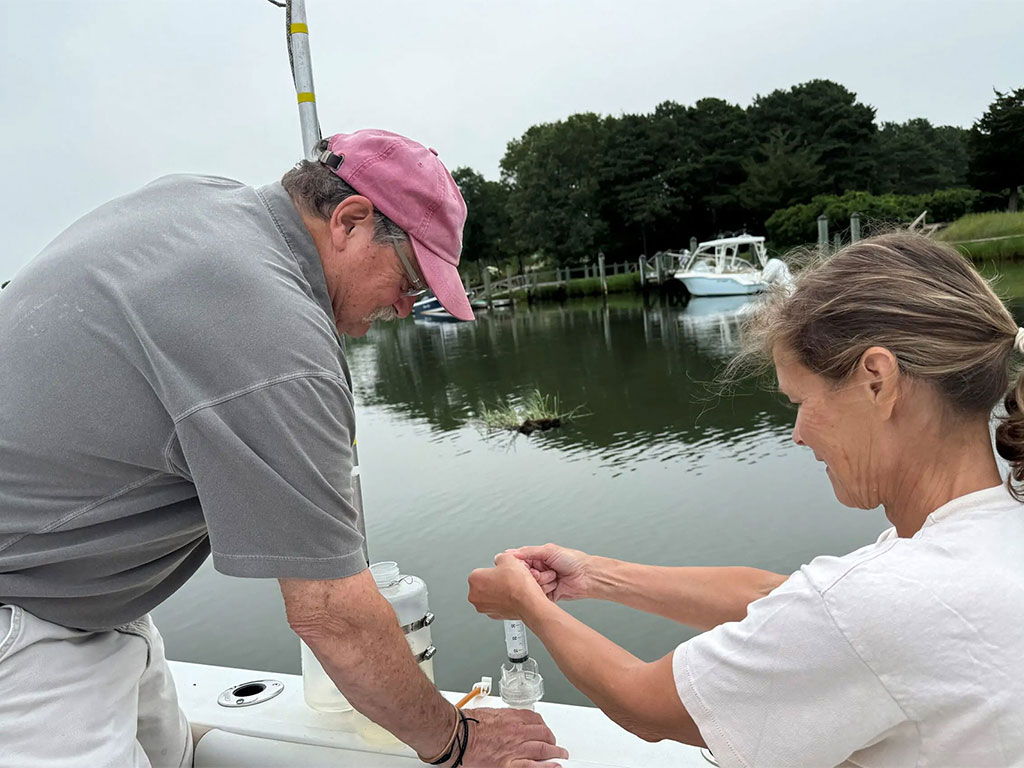
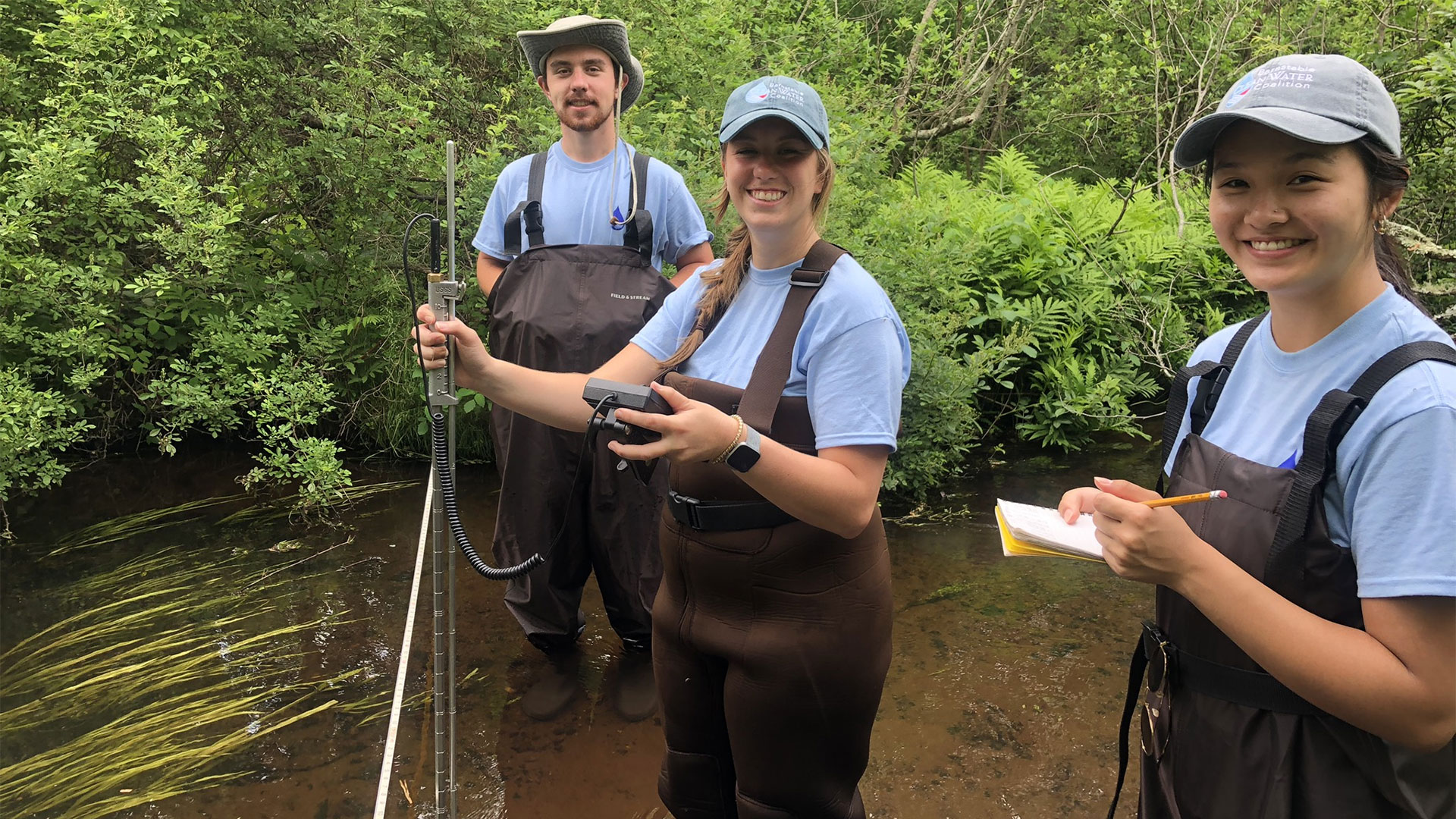
The only way to truly understand just how impaired our waters are, is by measuring water quality over a sustained period of time. This allows us to obtain and establish crucial baseline data. And our team of scientists, researchers, volunteers and collaborators does this very well.

For over 15 years, we have worked with UMass Dartmouth’s School for Marine Science and Technology (SMAST), which is part of the larger Massachusetts Estuaries Project (MEP) on water quality sampling. The MEP reports that the 1,251-acre Three Bays system that includes West, North and Cotuit Bays exceeds a critical threshold for nitrogen that is harmful to water quality, human health, and is toxic for wildlife including fin and shellfish, and plant life.

Marine Invasive Species Monitoring

Marine Invasive Species Monitoring

What are invasive species? An alienexotic or non-indigenous species all describe the same thing – meaning non-native. Non-native species are introduced to new environments mainly from anthropogenic (man-made) sources. These range from accidental introduction (zebra mussels transported in ballast water); to specific purpose introduction (to help combat a native pest); to importation of exotic animals for pets (Burmese python in Florida); to the importation of plants for aquarium and water garden décor. A non-native species only becomes invasive if its presence and/or interaction within the native ecosystem negatively alters the structure and function of that ecosystem.

Pond & Lake Stewardship

Cape Cod pond

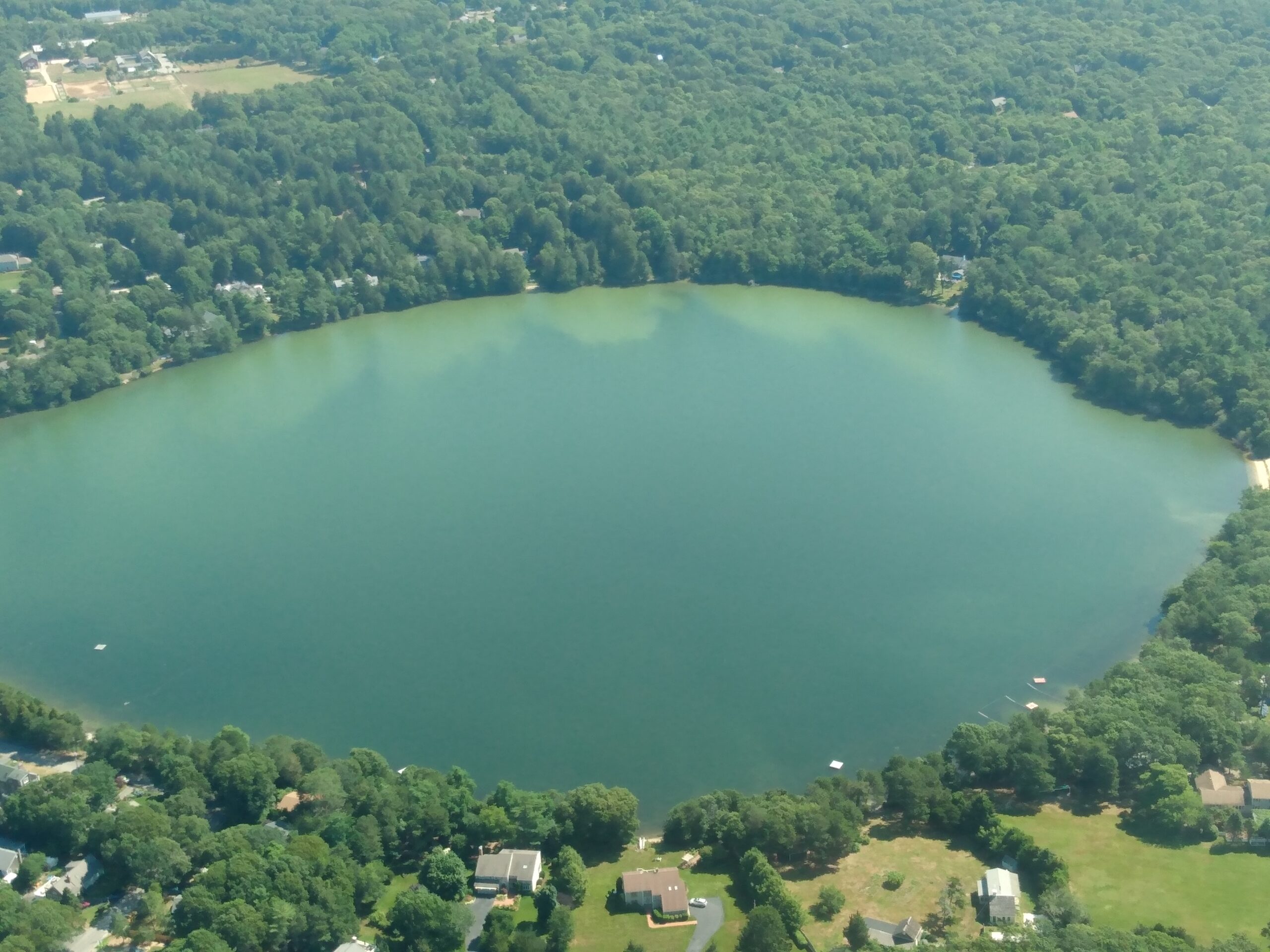
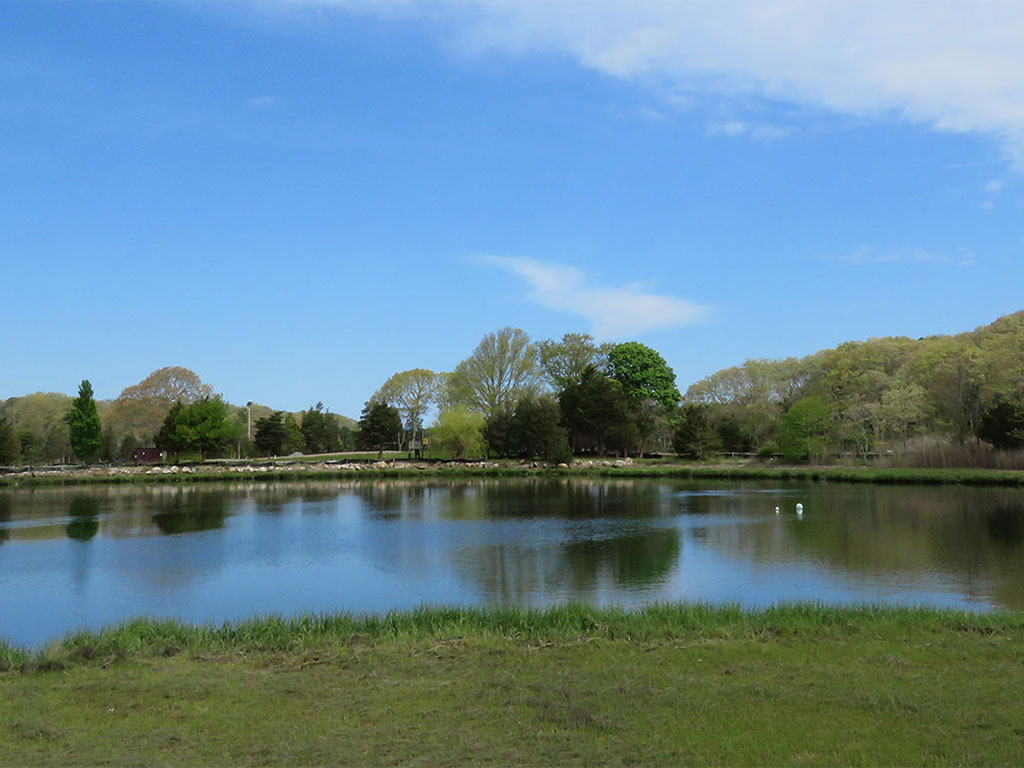
Barnstable Clean Water Coalition (BCWC) is an active participant in the Cape Cod Commission’s Cape Cod Pond and Lake Stewardship (PALS) program. This monitoring program, established in 2001 in response to concerns over impacts of excess nutrients on freshwater ponds and lakes, provides an annual “snapshot” of the Cape’s pond and lake water quality.

During the month-long PALS snapshot event in August/September, water samples are collected and sent for analysis to the Coastal Systems Program lab at the University of Massachusetts-Dartmouth School for Marine and Technology (SMAST). The water samples are analyzed for total nitrogen, total phosphorous, chlorophyll a and pH. Associated water quality data collected at each site include dissolved oxygen, turbidity (water clarity), temperature, depth, water color and vegetative cover.

Marstons Mills River Herring Run

Marstons Mills River Herring Run Count

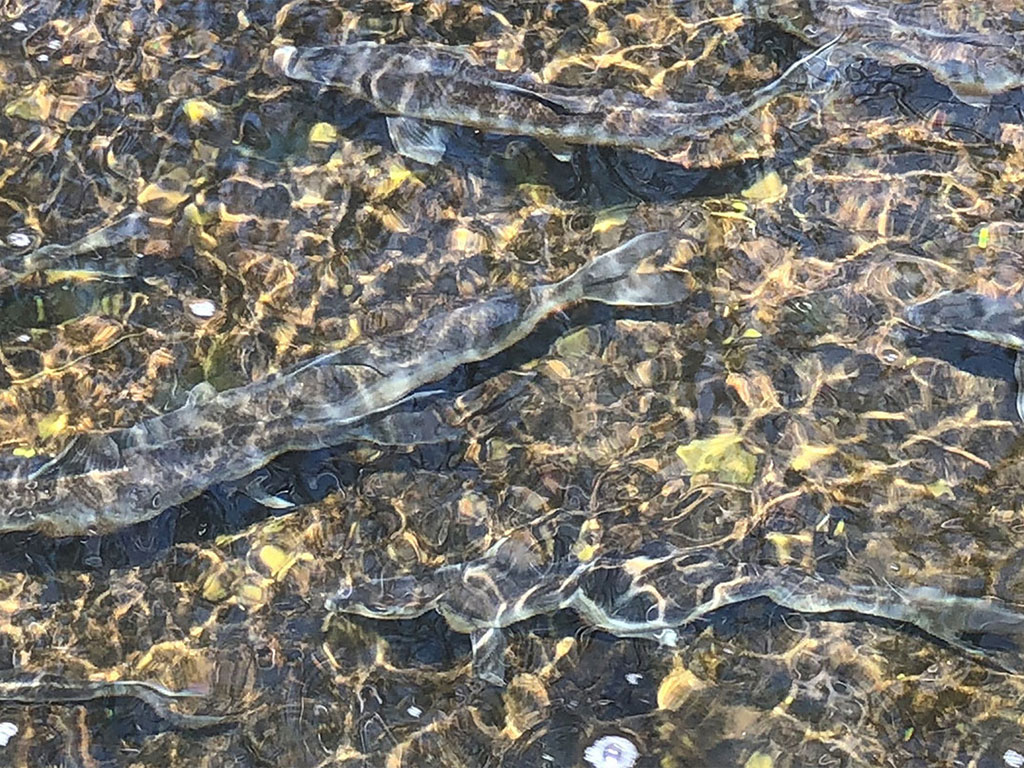
Springtime in New England signals the return of river herring from salty offshore waters and bays as they begin their migration “runs” up rivers to spawn in freshwater streams and ponds. Millions of river herring once turned coastal rivers silver during this annual rite of spring. Historically, these runs provided food to Native Americans and early settlers, as well as boosting the economies of coastal communities that harvested and sold the herring.

Years of overfishing and by-catch, obstructions to fish passage (dams and culverts), habitat loss and degradation, and poor water quality led to a steady decline in river herring populations in the late 20th century. In response to this decrease, the state of Massachusetts imposed a moratorium on the commercial and recreational harvesting (except for Native Americans), sale, and possession of river herring in 2006.

Barnstable pond algae

The Time to Act is Now.

Volunteer

Volunteer Donate

A little help goes a long way.

Join BCWC as we continue our twenty-year legacy of restoring and protecting clean water in Barnstable.
Volunteer your time by joining one of our citizen science programs.
Make your environmental voice heard by attending local and regional meetings and voicing your opinion.
Get involved in local politics, join a committee, write to your local newspaper.

Working to Save Barnstable Waters

The Barnstable Clean Water Coalition is working to restore and preserve clean water throughout Barnstable.

Four Directives Drive Our Mission

Our Mission

Barnstable Clean Water Coalition (BCWC) mission is to restore and preserve clean water throughout Barnstable.

With science as our foundation, BCWC utilizes four core components to accomplish our mission: educate, monitor, mitigate and advocate.

Get Involved

A little help goes a long way

Join BCWC as we continue our twenty-year legacy of restoring and protecting clean water in Barnstable. Volunteer your time by joining one of our citizen science programs. Make your environmental voice heard by attending local and regional meetings and voicing your opinion. Get involved in local politics, join a committee, write to your local newspaper.

Monitor cape cod waterways
BCWC newspapers

News & Publications

Find out what’s happening at BCWC and the Cape

Check out the latest in the news that features BCWC or is relevant to our concerns with water quality. Also read our Coalition Quarterly Newsletters and Books we helped get published.

Video Library

Watch and learn with BCWC

Learn about our ongoing projects, our collaborations, and the issues facing our Cape Cod waters. Dive deeper into the benefits of shellfish to the aquatic environment and our blue economy; or learn about how Innovative and Alternative septic systems can revolutionize our wastewater.

BCWC interns
Barnstable Clean Water Coalition sampling

Resources

Check out

Learn more about the issues facing our waters, and find resources from the Town and County of Barnstable to help you make water-conscious decisions. Find ways to get involved and see what other organizations are doing to support these efforts.

Living Laboratory Cape Cod Blog